Top Solutions for Complex Renovation Challenges
Renovating a property can be a rewarding yet demanding endeavour. Complex renovation challenges often arise, requiring thoughtful planning, expert knowledge, and practical solutions. Over the years, I have encountered numerous situations where straightforward fixes were not enough. Instead, tailored strategies were necessary to transform spaces effectively. This post outlines top solutions to tackle these challenges, helping you navigate your renovation project with confidence and clarity.
Understanding Complex Renovation Challenges
Complex renovation challenges typically involve structural issues, outdated systems, or design constraints that complicate the process. These problems can delay timelines, increase costs, and test patience. Common examples include:
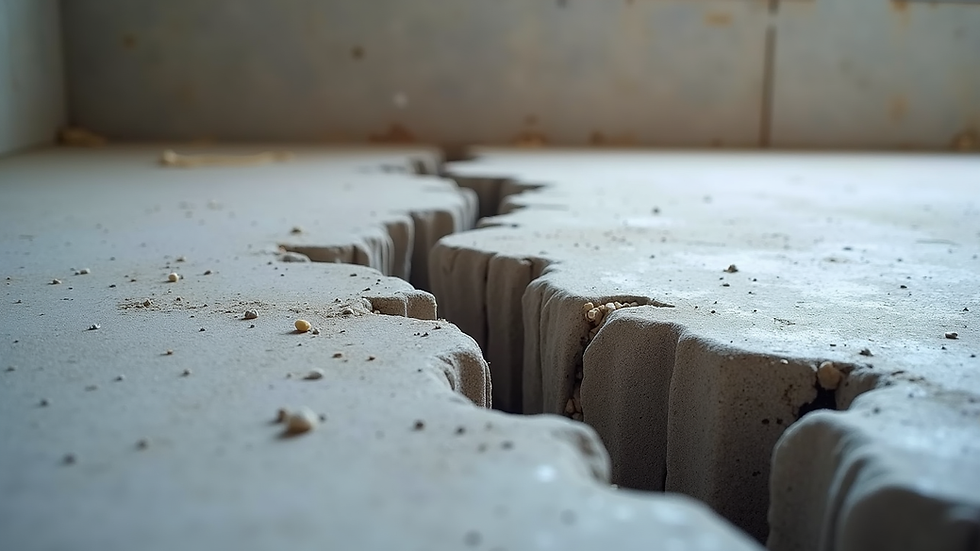
Structural weaknesses such as cracked foundations or unstable walls.
Outdated electrical and plumbing systems that do not meet current standards.
Limited space or awkward layouts that restrict design options.
Heritage or regulatory restrictions that limit modifications.
Hidden damages uncovered during demolition, like mould or rot.
Addressing these challenges requires a clear understanding of the property’s condition and the scope of work. Early and thorough inspections are essential. Engaging professionals who specialise in complex renovations can save time and money by identifying potential issues before work begins.
Practical Solutions for Complex Renovation Challenges
When facing complex renovation challenges, I recommend a systematic approach that balances technical expertise with practical execution. Here are some effective solutions:
1. Comprehensive Structural Assessment and Reinforcement
Start with a detailed structural assessment by a qualified engineer. This evaluation will highlight weaknesses and recommend reinforcement methods such as:
Installing steel beams or columns to support load-bearing walls.
Underpinning foundations to stabilise sinking or cracked bases.
Repairing or replacing damaged joists and rafters.
These measures ensure safety and longevity. Avoid shortcuts, as structural integrity is non-negotiable.
2. Upgrading Electrical and Plumbing Systems
Older properties often have outdated wiring and plumbing that pose safety risks and limit functionality. Solutions include:
Rewiring with modern, code-compliant materials.
Installing energy-efficient lighting and smart home systems.
Replacing old pipes with durable materials like PEX or copper.
Adding new plumbing fixtures to improve water flow and efficiency.
Upgrades should comply with local regulations and be performed by licensed professionals.
3. Optimising Space with Smart Design
Limited or awkward spaces can be transformed through clever design choices:
Open-plan layouts to maximise natural light and flow.
Built-in storage solutions to reduce clutter.
Multi-functional rooms that adapt to different needs.
Use of mirrors and light colours to create an illusion of space.
Consulting with an experienced designer can help unlock the potential of challenging layouts.

4. Navigating Heritage and Regulatory Constraints
Properties with heritage status or strict planning regulations require sensitive handling:
Research local guidelines thoroughly before planning.
Work with conservation specialists to preserve key features.
Use reversible or non-invasive construction techniques.
Obtain all necessary permits and approvals in advance.
Respecting these constraints ensures compliance and protects the property’s character.
5. Managing Hidden Damages and Unexpected Issues
Hidden problems often emerge once renovation begins. To manage these:
Allocate contingency budgets for unforeseen repairs.
Maintain flexibility in project timelines.
Conduct phased work to address issues as they arise.
Communicate transparently with contractors and stakeholders.
Being prepared reduces stress and prevents costly surprises.
Leveraging Professional Expertise and Technology
Complex renovations benefit greatly from professional expertise and modern technology. I have found that partnering with experienced teams and utilising advanced tools streamlines the process and improves outcomes.
Engage multidisciplinary teams including architects, engineers, and specialised contractors.
Use 3D modelling and virtual walkthroughs to visualise designs and identify potential problems early.
Implement project management software to track progress, budgets, and deadlines.
Adopt sustainable materials and energy-efficient solutions to future-proof the property.
For example, working with hisky ltd limassol has proven invaluable in delivering complex projects in Limassol, Cyprus. Their expertise simplifies challenges and ensures personalised, high-quality results.
Final Thoughts on Overcoming Renovation Challenges
Complex renovation challenges demand a proactive, informed approach. By conducting thorough assessments, upgrading essential systems, optimising design, respecting regulations, and preparing for surprises, you can transform difficult projects into successful outcomes. Leveraging professional expertise and technology further enhances efficiency and quality.
Every renovation is unique, but these solutions provide a solid foundation for tackling complexity with confidence. Whether restoring a heritage home or modernising an investment property, careful planning and execution are key to achieving exceptional, personalised spaces that meet your goals.


Comments